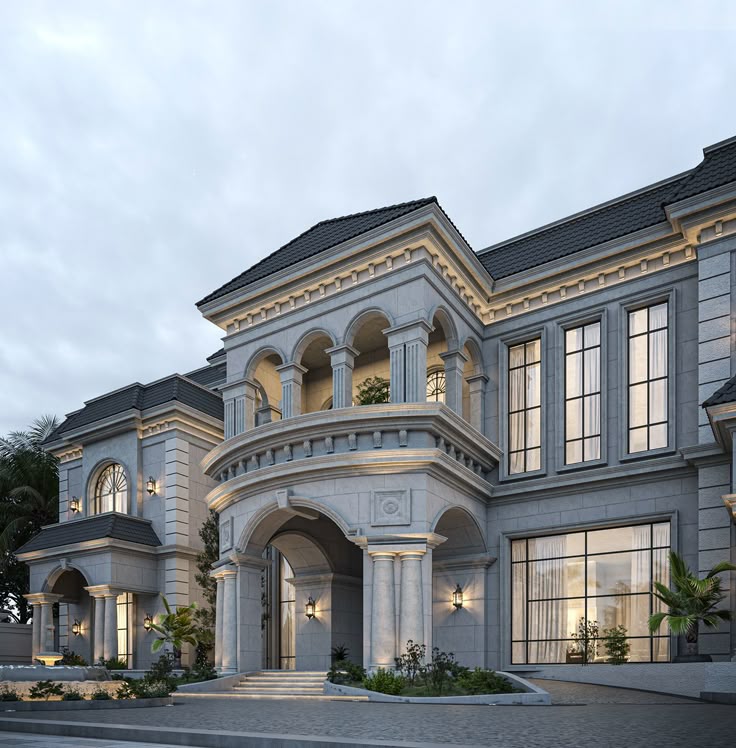
The Fine Line Between Classics and Modern Design
Architecture constantly evolves, yet it always builds on what came before. The connection between classic and modern design is one of the most interesting discussions in the field. Both have value. Classic architecture gives us proportion, craftsmanship, and tradition. Modern design brings innovation, openness, and new materials. The challenge lies in bringing these two worlds together without losing the character of either.
When classic and modern elements are balanced correctly, the result can be powerful. A historic facade can exist alongside a modern extension when both are treated with respect. It is not about copying the past or erasing it, but about understanding its principles and reinterpreting them for the present. Good architecture connects different times. It creates something that feels grounded yet contemporary.
The dialogue between classic and modern design is not only visual. It is also emotional. People often feel attached to traditional buildings because they express familiarity and permanence. Modern architecture, on the other hand, offers openness and adaptability. When these qualities are combined, a project can feel both secure and progressive.
At Orloff Architecture, we approach this balance with care. Every site and client brings its own context. Some locations call for quiet integration with historic surroundings, while others allow for more contrast. Our goal is to design spaces that feel natural within their environment yet reflect a clear modern identity.
Blending classic and modern architecture is also a way to show continuity. It proves that progress does not have to mean rejection of tradition. The knowledge of the past can guide innovation if it is understood rather than imitated. Materials such as stone, concrete, and glass can exist side by side when they are chosen thoughtfully.
A successful design speaks to both memory and the future. It respects what has been built before and sets a direction for what comes next. Classic and modern architecture are not opposites but partners in dialogue.
What do you think? Should architecture focus more on innovation or preserve traditional values? Let us know your thoughts below.